Has Research in a Peruvian National Park Revolutionized Conservation?

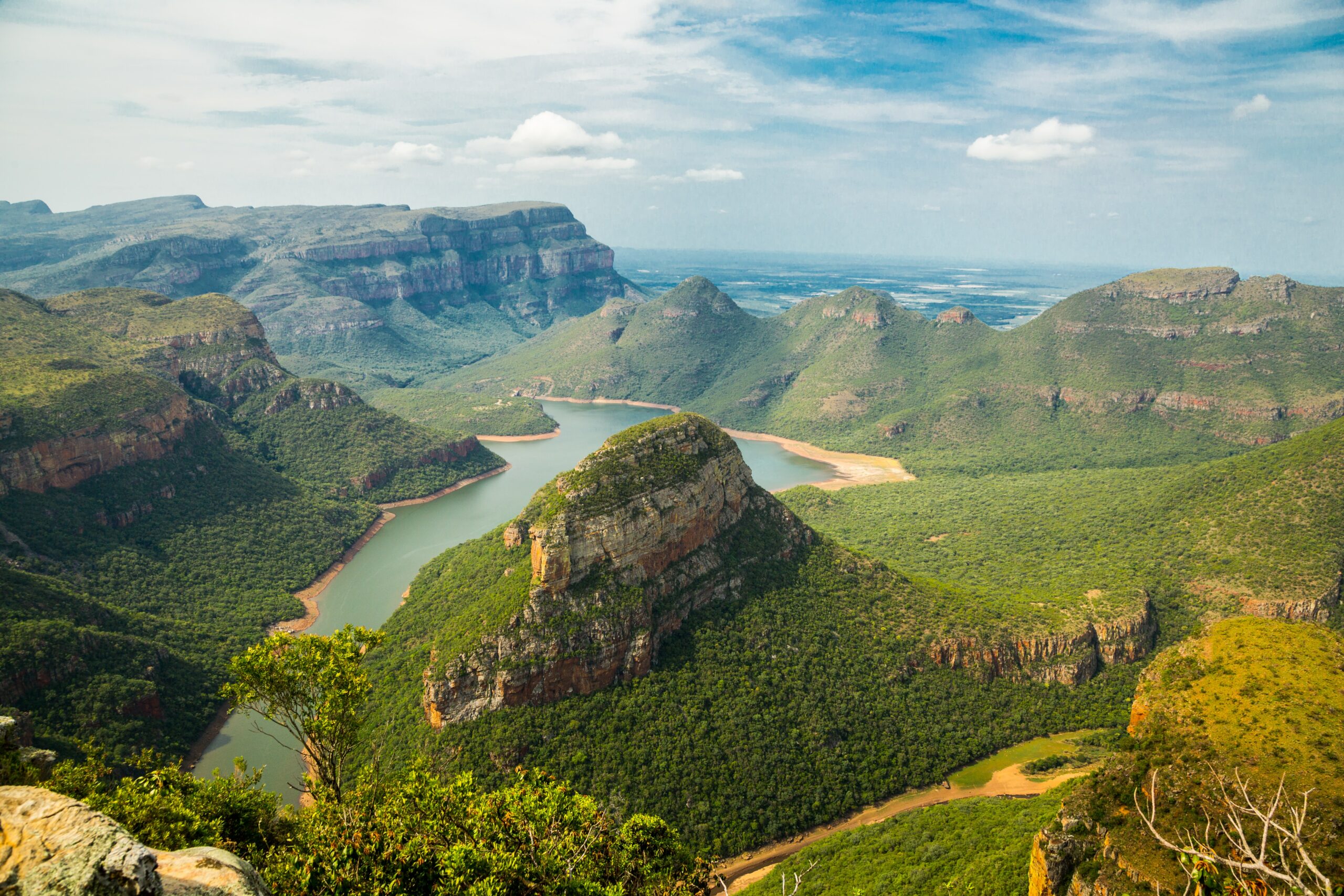
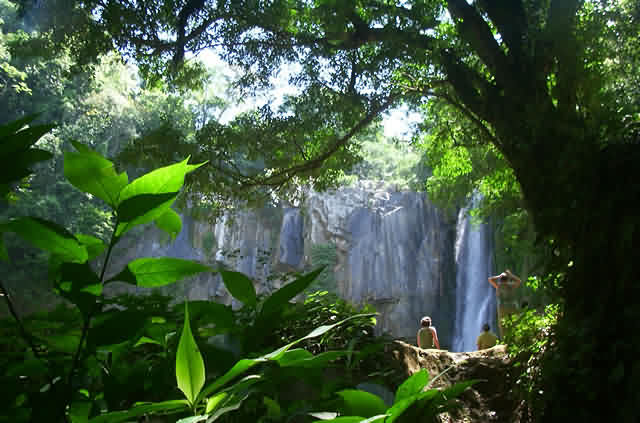
View of Cordillera Azul National Park, PeruIn comparison to countries of the developing world, the United States is quite lucky when it comes to managing its parks and protected areas. Why? Except for a few rare exceptions, Americans currently are not dependent on the natural resources in their parks for their livelihood and survival.

In Peru, however, some people depend on resources they can find near where they live– and sometimes this means in or near parks. Without the support of these people countless opportunities to protect ecosystems, animals, plants, and cultures might be lost. Legal protections for parks generally go ignored by people who are in need and often such laws are challenging if not impossible to enforce in remote areas anyway. The key for conservation in Peru and elsewhere seems to rest upon finding a middle ground upon where communities choose to help protect natural resources, while also benefiting from the use of these resources in a sustainable manner.

So how have Peru and countless other countries tried to address this challenge? By inviting people who have a stake in national parks and other protected areas to participate in the creation of plans that will guide how these places are protected and utilized for economic gain. While sometimes extraordinarily successful, it’s not surprising that many of these management plans often fall short, and do not end up accomplishing their goals. The public participation processes used to make management plans are sometimes utilized by park managers as a manipulative means to have communities accept already decided upon objectives, or the goals agreed upon during the processes are not easily achieved or are poorly funded. But these failures might be a thing of the past, as researchers in Peru’s Cordillera Azul National Park have perhaps revolutionized conservation through an innovative strategy. It seems to have empowered communities in the buffer zones of the park and won their confidence and support. Read the rest of this entry »

Google Banned by Myanmar Govt., Still Donates $1 Million to Cyclone Relief

Google bannedDespite being banned by the government of Burma (also Myanmar), Google has said that it will donate up to $1 million USD to assist victims of Cyclone Nargis.

Google has offered to match donations made to UNICEF and Direct Relief International for all donations made at Google’s Support disaster relief in Myanmar page, up to one million dollars.

Internet users in Burma reported that access to Google and Gmail had been blocked by the strict military junta governing the country in the summer of 2006. By this time, Yahoo and Hotmail had already made the censored IT blacklist.

Read the rest of this entry »

How Solar Lighting is Revolutionizing African Communities

solar-lantern-in-africa-project.jpgThe people of an impoverished southern African nation have everything to thank the Sun for; because a new revolution is sweeping across rural Malawi, lighting up village communities with cheap solar lamps that almost everybody is now able to afford.

The problem has been that access to modern electricity is but a privilege for the few who can afford it, and the majority are burning kerosene for lighting, a practice known to be expensive, dangerous and harmful to health.

An initiative run by Solar Aid, in partnership with the UK non-profit, TRAID, the project is geared toward protecting the environment and reducing poverty by introducing simple, locally assembled, affordable LED solar lanterns to the poorest communities, providing residents with a cheap alternative to kerosene while also generating employment opportunities for the underprivileged and ill.

Read the rest of this entry »

Tsunami Survivors Still Struggle

many people were unaware of how to react when the asian tsunami struck in 2004

3 years after the Indian Ocean Earthquake of December 2004

“The sea is a different colour today - a Tsunami might come”, the old woman said, her eyes tinged with sadness as she sold bottled water from a counter in a long row of dilapidated shacks.

The scars of the 2004 Asian Tsunami can be seen everywhere. Besides the fear that remains in peoples faces, a nearby tree lay un-rooted whilst trucks trundle uncertainly across a rickety wooden bridge. The legs of the original concrete bridge, destroyed by 100 ft waves, stick out of the water like broken teeth.

Your local travel agent might have you believe that it’s all over, that the resorts have been rebuilt and it’s business as usual on Thailand’s Andaman coast. But cycle a few hundred meters outside of the resorts where Westerners enjoy cool Singha beers and the warm hospitality of the Thai people, and it’s a very different story.

Read the rest of this entry »

Auroville: A Universal City in the Making

AurovilleLocated in the south Indian state of Tamil Nadu, a few kilometres inland from the Coromandel Coast, Auroville is an ideal township devoted to an experiment in human unity - a universal township in the making; for a population of up to 50,000 people from around the world. Auroville is recognised as the first and only internationally endorsed ongoing experiment in human unity and and in situ research on sustainable living and fulfilling all cultural, environmental, social and spiritual needs of mankind.

Read the rest of this entry »

Super-Fast Broadband Via the Sewer System

sewer.jpgBournemouth, UK, is often mocked by many of the British for the average age of its citizens. In short, a seaside resort where many go to die. Jack Dee once quipped that the shop windows are all fitted with bi-focals to allow passers-by to ascertain what lies within.

But the citizens, it seems, are having the last laugh as it has been reported this week that the town is to be the first in the UK to make use of the sewer system in a whole new way.

Read the rest of this entry »

How You Can Help Burma Cyclone Victims

Cyclone Nargis, Burma / MyanmarNew estimates place the death toll in Burma–also called Myanmar by the leaders of its strict military regime–at 100,000. In the initial wake of the cyclone, the brutal Burmese government made attempts to interfere with international aid agencies. In recent days, as reported on CNN, the Burmese government has changed its policies, saying “We are ready to speed up and strengthen our relief effort. We will accept aid from any corner.”

Here, you will find six organizations accepting charitable donations for relief work in Burma as well as five organizations possibly accepting volunteers for relief efforts. Read the rest of this entry »

South Korean Solar System Community on Jeju Island a Brilliant Idea

Solar System on Jeju Island, South.

Solar System Powers Donggwang Green Village on Semi-Tropical Jeju Island

Donggwang is on the western half of Jeju-do, the largest of South Korea’s semi-tropical southern islands. Near the village, Halla Mountain, a volcano and the tallest mountain in South Korea, rises from the island’s center amidst a patchwork of small farms.

Donggwang has achieved what even the most powerful countries in the world are still struggling to accomplish: total energy independence with clean technology.

Read the rest of this entry »

Coral Adventure on East Africa Coast: A Safari to Kenya’s Reefs

coral-reefs-safari.jpgA safari adventure to Africa to view corals? This might sound interesting to many people including eager adventurers like myself.

I have always marveled at the wonders of the sea; beautiful marine creatures that are awe-inspiring to watch. But one trip on a glass-bottom tourist boat a few months ago made me promise to go back for more, and I hadn’t found the time until now. I wanted to see the coral bed under the cool waters off the Indian Ocean coast again.

Coral reefs are among Earth’s most diverse, productive, and beautiful ecosystems, and have become exciting spots for tourist who admire water life and sports. Its now not uncommon to see tourists in glass bottomed boats being ferried to coral gardens for viewing.

Read the rest of this entry »

European Commitment to Wind Power Grows

185488397_729bb056f4The world today is full of those who promise to be greener, promise to do more for the environment, promise to make the world a better place. But empty promises mean as much to us as an empty jar of peanut butter does to me; nothing! So it is gratifying to see that Europe is picking up the gauntlet of creating a cleaner place for us to live.

Read the rest of this entry »

Today’s Sponsor